The Tectonic Shift
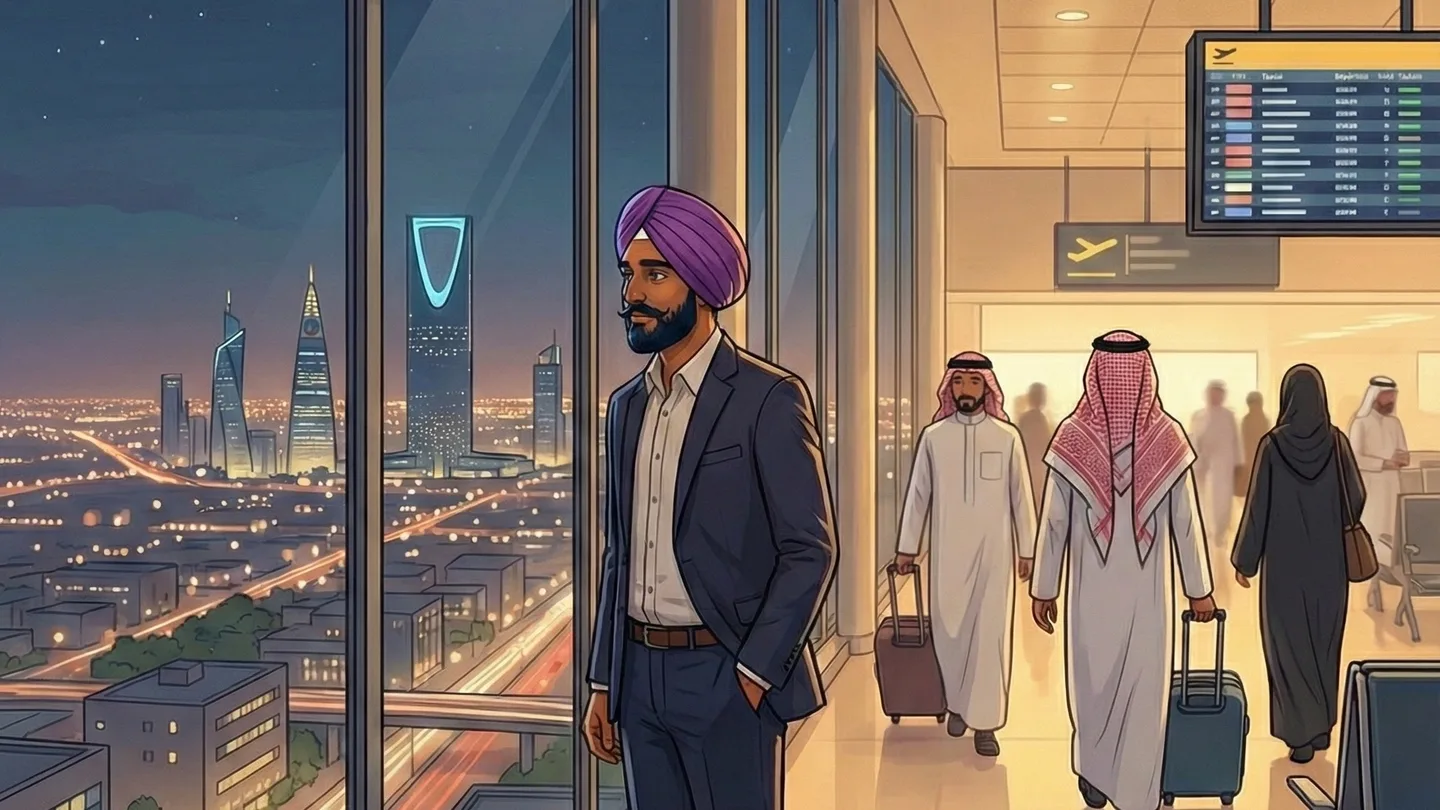
Across the Middle East, a region once defined by oil wealth is now positioning itself as a nerve center for artificial intelligence. The Kingdom of Saudi Arabia, through its AI subsidiary Humain—backed by the Public Investment Fund—has forged a landmark partnership with NVIDIA to develop cutting-edge data centers. Not to be outdone, the UAE unveiled its "Stargate" AI initiative with the support of major U.S. players like OpenAI, Cisco, Oracle, and Nvidia.
These are not peripheral developments; they are foundational tremors in the tectonic shift of global tech infrastructure.
What we're witnessing is not just economic diversification—it's narrative reinvention. The Middle East is no longer content being a consumer of Silicon Valley's innovations; it is positioning to author the next chapter of the AI economy.
The Cost of Hesitation
I am reminded of a personal inflection point. In 2017, fresh off a win with GE and a Forbes feature, my then-GovTech startup out of Vancouver was invited to an interview by the Dubai Future Accelerators. We were on the cusp of something transformative in the Smart Cities domain.
Yet, fear of the unknown stopped us. My co-founders, hesitant to step outside the North American ecosystem, opted out of the interview. That decision defined our trajectory. Years later, sitting across from the same colleague, we both acknowledged what we missed—not just a market, but a moment.
The New Centers of Gravity
"The lesson is clear: the epicenter of AI is no longer just San Francisco. It is also Riyadh. Abu Dhabi. Singapore. Shenzhen."
If you are not physically there, you must at least be intellectually present and geopolitically literate about what's unfolding. The intersections between policy foresight and regional AI ecosystems are more than academic. They are invitations to lead.
I leave you with a provocation, not a conclusion: Are you close enough to the frontier to shape it? Or merely close enough to watch it unfold?